
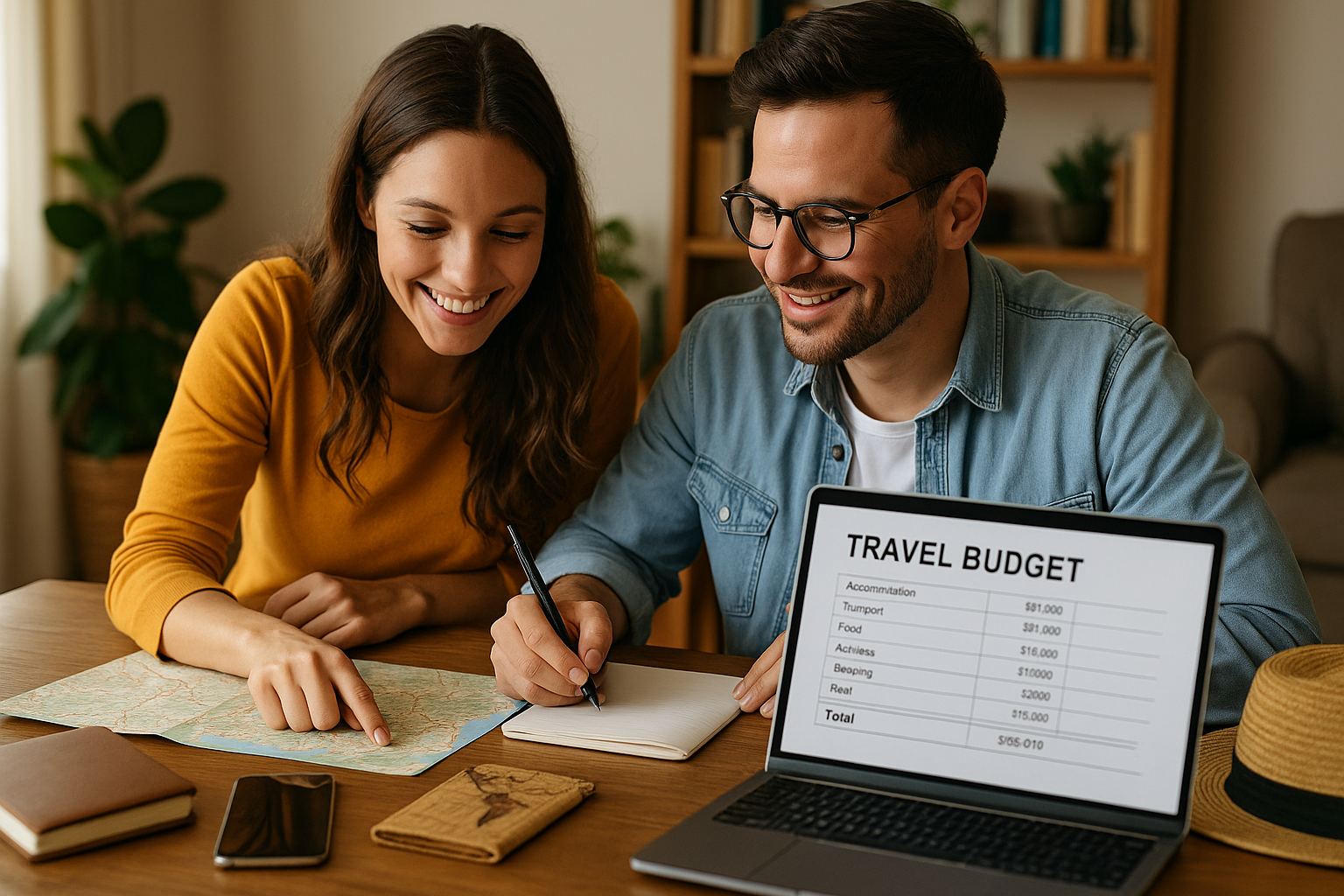
Traveling together is one of the best ways to bond, create memories, and relax as a couple. But without a solid plan, vacations can lead to financial stress that lingers long after you’ve returned home. Here’s how couples can plan amazing getaways — without overspending or sacrificing fun.
Step 1: Align on the Purpose and Budget
Before diving into destinations, align on your travel goals:
- Are you looking to relax or explore?
- Is this a romantic escape or an adventure trip?
- How much are you willing (and able) to spend?
Set a total budget ceiling — and stick to it. Make sure both partners are comfortable with the amount and how it’ll be paid.
Tip: Break down your budget into categories:
- Flights/transportation
- Accommodation
- Food and drinks
- Experiences/excursions
- Shopping/souvenirs
- Emergency buffer
Step 2: Choose the Right Time to Travel
If possible, avoid peak seasons like holidays and school breaks. Traveling off-season can save you hundreds of dollars on flights and accommodations — and destinations are usually less crowded.
Also, consider planning trips:
- Around long weekends to avoid extra leave days
- Using price drop alerts to find deals
- When you’ve hit a savings goal, rather than putting it on credit
Step 3: Use Travel Reward Points and Loyalty Programs
Maximize your credit card points, airline miles, and hotel loyalty programs. Some tips:
- Use one travel rewards card together for expenses
- Look for cards with sign-up bonuses or travel perks
- Book through apps like Hopper or Google Flights to track price drops
Don’t forget to check your card’s perks like free travel insurance, checked bags, or airport lounge access.
Step 4: Set a Shared Travel Fund
Start saving for your trip months in advance. You can:
- Open a joint travel savings account
- Use apps like Qapital or YNAB to allocate travel funds
- Automate monthly deposits
Saving consistently over time takes the pressure off when the trip gets closer — and avoids last-minute credit card debt.
Step 5: Find Budget-Friendly Destinations
Not all trips have to be expensive. Consider:
- Nearby getaways (road trips, national parks, or hidden gems)
- All-inclusive resorts with clear costs upfront
- Travel packages or off-peak cruises
- Countries with favorable exchange rates
Use websites like Skyscanner, Rome2Rio, and Airbnb Experiences to compare options.
Step 6: Set Daily Spending Limits
Even on vacation, boundaries help. Allocate a daily allowance for food, drinks, shopping, etc., so you don’t blow the entire budget on day one.
Track spending using:
- A shared Google Sheet
- Travel budget apps like Trail Wallet or TravelSpend
- Your banking app’s daily spending summaries
Step 7: Mix Paid and Free Activities
Plan one or two splurges (like a fine dining experience or a hot air balloon ride), and balance the rest of your trip with low-cost or free activities:
- Hiking, picnics, or public beaches
- Free museum days or city walking tours
- Visiting local markets or street food spots
- Watching sunsets or stargazing
It’s often the simplest moments that become the most meaningful.
Step 8: Be Honest About Priorities
One of you may value nice accommodations, while the other cares more about excursions. Discuss:
- Where to splurge and where to save
- What’s non-negotiable for each of you
- Any red flags (e.g., overpacking the itinerary or feeling rushed)
This helps prevent tension and ensures both partners enjoy the trip.
Step 9: Avoid Using Credit to Cover the Trip
Unless you’re paying it off immediately, using credit to fund your vacation can lead to long-term debt. If you can’t afford it yet, delay the trip — or scale it back.
A debt-free trip feels better in every way.
Step 10: Plan for Re-entry
Plan how you’ll manage finances once you’re back:
- Avoid overspending in the weeks post-trip
- Track all expenses and reconcile them
- Use remaining budget to jumpstart your next savings goal
You can even turn it into a fun ritual: debrief, download photos, and dream up the next destination — all while planning smarter.
Final Thoughts
Vacations don’t have to drain your bank account. With clear planning, communication, and a touch of creativity, you and your partner can enjoy meaningful, memory-filled trips without financial stress.
Start small, stay intentional, and focus on what matters most — the time you’re spending together.